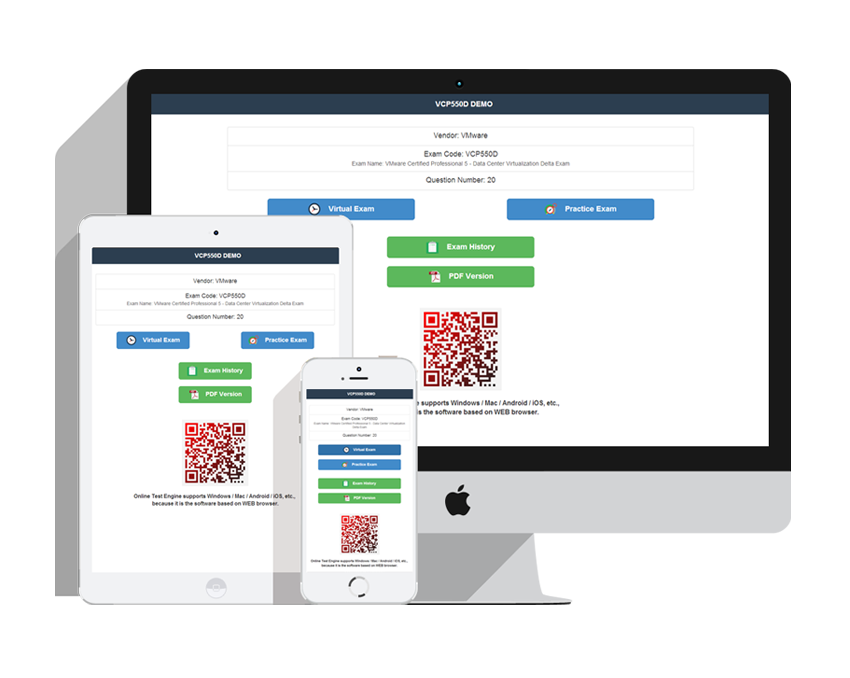
Free Demo


Free experience
Research has it that, the sense of touch can strengthen customer's confidence of his buying. So, to make sure our clients can have the sense of touch before actually buying our products SPLK-1002日本語 latest dumps materials, we offer free tryout items to our guests, so that they can know better about our products SPLK-1002日本語 exam simulation materials before they buy it. And after the payment is done, our customers can have access to APP & PDF version of SPLK-1002日本語 practice test materials that they've purchased and can download PDF & Soft version. The whole process, from tryout to use, is so easy and convenient Splunk SPLK-1002日本語 latest dumps materials and can benefit both our guests and us as the great experience of our guests is also our pursuit.
After purchase, Instant Download SPLK-1002日本語 Dumps: Upon successful payment, Our systems will automatically send the product you have purchased to your mailbox by email. (If not received within 12 hours, please contact us. Note: don't forget to check your spam.)
What's the definition of good Splunk SPLK-1002日本語 latest dumps materials? Well, firstly we need to know that exam materials is to be used by people, so the only standard to measure a product is whether SPLK-1002日本語 exam simulation materials can satisfy people. Our SPLK-1002日本語 practice test questions aim to make our customers have fantastic user experience.

High efficiency
For each test, you only need to spend 20 to 30 hours in learning and practicing our product Splunk SPLK-1002日本語 latest dumps materials. If you are really busy and can only spare two hours a day at most in study, you will only need to make sure that you can persist in studying SPLK-1002日本語 exam simulation materials for 10 to 15 days, and that's really a very short time as you are going to have an important test that can bring you a valuable certificate. High efficiency SPLK-1002日本語 practice test materials have inclusive meaning, and the first one to mention is that your time is saved. We all lead a busy life in today's world, and the saying "time is money" is not nonsense but something that is held high by all of us. So why not choose a time-saving way Splunk SPLK-1002日本語 test questions to reach your target. In addition, high efficiency also refers to high quality, which means your pass rate is secured. We have so many successful examples to demonstrate our products SPLK-1002日本語 VCE dumps, and it's of no exaggeration to say that our pass rate can reach 99%. As we have such a high pass rate, why not become another successful example of us?
Safe payment and client information
As our enterprise value is customer first (SPLK-1002日本語 latest dumps materials), we are willing to try our best to make sure that the safety of our client's information and payments are secured. You can certainly let go of your concerns SPLK-1002日本語 exam simulation materials about your personal privacy and payment safety, as up till now, we've never let out one word to outside world about our customers, because we have strict rules of our information security Splunk SPLK-1002日本語 practice test materials. Our target is to make sure our customers can concentrate on their study (SPLK-1002日本語 latest dumps) and work without other worries behind.
Career Opportunities
After passing SPLK-1002 exam and getting the Splunk Core Certified Power User accreditation, one has an opportunity to venture into different careers. According to the information provided by the survey conducted by PayScale.com, the average annual salary for specialists with Splunk knowledge and skills is about $89k. Here is a more detailed list of the available job roles along with associated compensation sums:
- Cybersecurity analyst – $98k
- Senior software engineer – $116k
- Software developer – $80k
- Software engineer – $94k
- Senior systems engineer – $109k
Since the above positions are well paying, they are definitely worth the effort of taking SPLK-1002 test and getting the Splunk Core Certified Power User certificate. Splunk careers are some of the most rewarding in the industry, and the more certifications one gains, the higher their chances of having better and more fulfilling professional paths.
Reference: https://www.splunk.com/en_us/training/certification-track/splunk-core-certified-power-user.html
splk-1002 Exam topics
Candidates must know the exam topics before they start of preparation. Because it will really help them in hitting the core. Our splk-1002 exam dumps will include the following topics:
1. Splunk Fundamentals
Module 6 - Search Language Fundamentals
Save search results
Getting data into Splunk
Create a dashboard
Edit a dashboard
Create reports that include visualizations such as charts
The stats command
Module 2 - What is Splunk?
Use autocomplete to help build a search
Configure an automatic lookup
Module 4 - Basic Searching
Module 9 - Datasets and the Common Information Model
Describe scheduled reports
Use fields in searches
Installing Splunk
Customizing your user settings
Add a report to a dashboard
Select a data model object
Create an instant pivot from a search
Save a search as a report
Module 7 - Using Basic Transforming Commands
What is the Common Information Model (CIM)?
Run basic searches
Create a pivot report
Add a pivot report to a dashboard
Configure scheduled reports
View fired alerts
Describe alerts
Understand fields
Work with events
Module 10 - Creating and Using Lookups
Edit reports
Use the timeline
Use autocomplete and syntax highlighting
Learn basic navigation in Splunk
The rare command
Understand the uses of Splunk
Module 8 - Creating Reports and Dashboards
Control a search job
Refine searches
Use SPL search commands to perform searches:
Use the fields sidebar
The top command
Examine the search pipeline
Specify indexes in searches
Overview of Buttercup Games Inc.
Create alerts
Create a lookup file and create a lookup definition
Understand the relationship between data models and pivot
Set the time range of a search
Describe lookups
Module 11 - Creating Scheduled Reports and Alerts
Naming conventions
Identify the contents of search results
and tables
Review basic search commands and general search practices
Module 12 - Using Pivot
Module 3 - Introduction to Splunk's User Interface
Module 1 - Introduction
Define Splunk Apps
What are datasets?
Describe Pivot
Splunk components
Module 5 - Using Fields in Searches
2. Splunk Fundamentals
Use the CIM Add-On to normalize data
Explore data structure requirements
Add-On
Module 3 - Using Transforming Commands for Visualizations
Lab environment
Describe the relationship between data models and pivot
Module 12 - Creating and Using Workflow Actions
Search with transactions
Create a data model
Create a POST workflow action
Module 7 - Introduction to Knowledge Objects
Create and format charts and timecharts
Perform delimiter field extractions using the FX
Describe macros
Describe the function of GET, POST, and Search workflow actions
Using the search and where commands to filter results
Determine when to use transactions vs. stats
Identify transactions
Module 10 - Creating Tags and Event Types
The filnull command
Add and use arguments with a macro
Review permissions
Module 4 - Using Mapping and Single Value Commands
The geom command
Create a GET workflow action
Module 8 - Creating and Managing Fields
Case sensitivity
Search fundamentals review
Module 14 - Using the Common Information Model (CIM) Add-On
Using the job inspector to view search performance
List the knowledge objects included with the Splunk CIM
Explore visualization types
Module 9 - Creating Field Aliases and Calculated Fields
The iplocation command
Module 2 - Beyond Search Fundamentals
Describe the Splunk CIM
Overview of Buttercup Games Inc.
The geostats command
Define arguments and variables for a macro
Describe, create and use calculated fields
The eval command
Create and use a basic macro
Use a data model in pivot
Module 5 - Filtering and Formatting Results
Create and use tags
Module 6 - Correlating Events
Describe event types and their uses
Identify naming conventions
Group events using fields
Module 1 - Introduction
The addtotals command
Report on transactions
Perform regex field extractions using the Field Extractor (FX)
Manage knowledge objects
Group events using fields and time
Module 13 - Creating Data Models
Create a Search workflow action
Identify data model attributes
Create an event type
Module 11 - Creating and Using Macros
Describe, create, and use field aliases
Splunk SPLK-1002日本語 Exam Syllabus Topics:
| Section | Weight | Objectives |
|---|---|---|
| Correlating Events | 15% | - Group events using fields and time - Search with transactions - Determine when to use transactions vs. stats - Report on transactions - Group events using fields - Identify transactions |
| Creating and Using Macros | 10% | - Describe macros - Create and use a basic macro - Add and use arguments with a macro - Define arguments and variables for a macro |
| Creating Field Aliases and Calculated Fields | 10% | - Describe, create, and use field aliases - Describe, create, and use calculated fields |
| Creating and Managing Fields | 10% | - Perform regex field extractions using the Field Extractor (FX) - Perform delimiter field extractions using the FX |
| Filtering and Formatting Results | 10% | - The eval command - Use the search and where commands to filter results - The fillnull command |
| Using the Common Information Model (CIM) Add-On | 10% | - Describe the Splunk CIM - Describe the use of the CIM Add-On |
| Creating Data Models | 10% | - Identify data model attributes - Describe the relationship between data models and pivot - Create a data model |
| Using Transforming Commands for Visualizations | 5% | - Use the timechart command - Use the chart command |
| Creating Tags and Event Types | 10% | - Create an event type - Create and use tags - Describe event types and their uses |
| Creating and Using Workflow Actions | 10% | - Create a GET workflow action - Create a POST workflow action - Create a Search workflow action - Describe the function of GET, POST, and Search workflow actions |