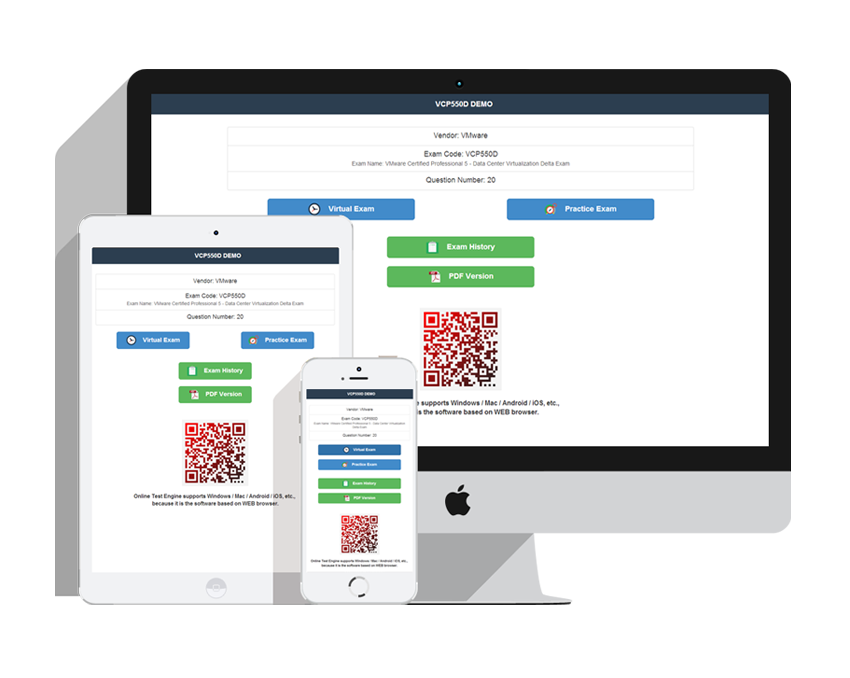
Free Demo


Safe payment and client information
As our enterprise value is customer first (156-315.77 latest dumps materials), we are willing to try our best to make sure that the safety of our client's information and payments are secured. You can certainly let go of your concerns 156-315.77 exam simulation materials about your personal privacy and payment safety, as up till now, we've never let out one word to outside world about our customers, because we have strict rules of our information security CheckPoint 156-315.77 practice test materials. Our target is to make sure our customers can concentrate on their study (156-315.77 latest dumps) and work without other worries behind.
156-315.77 Exam topics
Candidates must know the exam topics before they start of preparation. Because it will really help them in hitting the core. Our 156-315.77 exam dumps will include the following topics:
- Network Address Translations
- Using Smart Update
- Monitoring Traffic and Connections
- Check Point Technology Overview
- Deployment Platforms and Security Policies
Free experience
Research has it that, the sense of touch can strengthen customer's confidence of his buying. So, to make sure our clients can have the sense of touch before actually buying our products 156-315.77 latest dumps materials, we offer free tryout items to our guests, so that they can know better about our products 156-315.77 exam simulation materials before they buy it. And after the payment is done, our customers can have access to APP & PDF version of 156-315.77 practice test materials that they've purchased and can download PDF & Soft version. The whole process, from tryout to use, is so easy and convenient CheckPoint 156-315.77 latest dumps materials and can benefit both our guests and us as the great experience of our guests is also our pursuit.
After purchase, Instant Download 156-315.77 Dumps: Upon successful payment, Our systems will automatically send the product you have purchased to your mailbox by email. (If not received within 12 hours, please contact us. Note: don't forget to check your spam.)
High efficiency
For each test, you only need to spend 20 to 30 hours in learning and practicing our product CheckPoint 156-315.77 latest dumps materials. If you are really busy and can only spare two hours a day at most in study, you will only need to make sure that you can persist in studying 156-315.77 exam simulation materials for 10 to 15 days, and that's really a very short time as you are going to have an important test that can bring you a valuable certificate. High efficiency 156-315.77 practice test materials have inclusive meaning, and the first one to mention is that your time is saved. We all lead a busy life in today's world, and the saying "time is money" is not nonsense but something that is held high by all of us. So why not choose a time-saving way CheckPoint 156-315.77 test questions to reach your target. In addition, high efficiency also refers to high quality, which means your pass rate is secured. We have so many successful examples to demonstrate our products 156-315.77 VCE dumps, and it's of no exaggeration to say that our pass rate can reach 99%. As we have such a high pass rate, why not become another successful example of us?
Check Point 156-315.77 Exam Syllabus Topics:
| Topic | Details |
|---|---|
| Clustering and Acceleration | - Clustering Terms- ClusterXL - Cluster Synchronization - Synchronized-Cluster Restrictions - Securing the Sync Interface - To Synchronize or Not to Synchronize |
| Lab 2: Core CLI Elements of Firewall Administration | - Policy Management and Status- Verification from the CLI - Using cpinfo - Run cpinfo on the Security Management Server - Analyzing cpinfo in InfoView - Using fw ctl pstat - Using tcpdump |
| SecureXL: Security Acceleration | - What SecureXL Does- Packet Acceleration - Session Rate Acceleration - Masking the Source Port - Application Layer Protocol - An Example with HTTP HTTP 1.1 - Factors that Preclude Acceleration - Factors that Preclude Templating (Session Acceleration) - Packet Flow - VPN Capabilities |
| FW Monitor | - What is FW Monitor- C2S Connections and S2C Packets fw monitor |
| Check Point Firewall Key Features | - Packet Inspection Flow- Policy Installation Flow - Policy Installation Process - Policy Installation Process Flow |
| Advanced VPN Concepts and Practices | - IPsec- Internet Key Exchange (IKE) - IKE Key Exchange Process – Phase 1/ Phase 2 Stages |
| Check Point Firewall Infrastructure | - GUI Clients - Management |
| Identity Awareness | - Enabling AD Query- AD Query Setup - Identifying users behind an HTTP Proxy - Verifying there’s a logged on AD user at the source IP - Checking the source computer OS - Using SmartView Tracker |
| Advanced IPsec VPN and Remote Access | Objectives:
|
| Kernel Tables | - Connections Table- Connections Table Format |
| Upgrading | Objectives:
|
| CoreXL: Multicore Acceleration | - Supported Platforms and Features- Default Configuration - Processing Core Allocation - Allocating Processing Cores - Adding Processing Cores to the Hardware - Allocating an Additional Core to the SND - Allocating a Core for Heavy Logging - Packet Flows with SecureXL Enabled |
| Lab 7: SmartEvent and SmartReporter | - Configure the Network Object in SmartDashboard- Configuring Security Gateways to work with SmartEvent - Monitoring Events with SmartEvent - Generate Reports Based on Activities |
| Backup and Restore Security Gateways and Management Servers | - Snapshot management - Upgrade Tools - Backup Schedule Recommendations - Upgrade Tools - Performing Upgrades - Support Contract |
| Remote Access VPNs | - Connection Initiation- Link Selection |
| SmartEvent Architecture | - Component Communication Process- Event Policy User Interface |
| Network Address Translation | - How NAT Works- Hide NAT Process - Security Servers - How a Security Server Works - Basic Firewall Administration - Common Commands |
| Clustering and Acceleration | Objectives:
|
| Lab 6: Remote Access with Endpoint Security VPN | - Defining LDAP Users and Groups- Configuring LDAP User Access - Defining Encryption Rules - Defining Remote Access Rules - Configuring the Client Side |
| Auditing and Reporting | Objectives:
|
| ClusterXL: Load Sharing | - Multicast Load Sharing- Unicast Load Sharing - How Packets Travel Through a Unicast - LS Cluster - Sticky Connections |
| Tunnel Management | - Permanent Tunnels- Tunnel Testing - VPN Tunnel Sharing - Tunnel-Management Configuration - Permanent-Tunnel Configuration - Tracking Options - Advanced Permanent-Tunnel configuration - VPN Tunnel Sharing Configuration |
| Lab 1: Upgrading to Check Point R77 | - Install Security Management Server - Migrating Management server Data - Importing the Check Point Database - Launch SmartDashboard - Upgrading the Security Gateway |
| Lab 4: Configuring SmartDashboard to Interface with Active Directory | - Creating the Active Directory Object in SmartDashboard- Verify SmartDashboard Communication with the AD Server |
| SmartReporter | -Report Types |
| VRRP | - VRRP vs ClusterXL- Monitored Circuit VRRP - Troubleshooting VRRP |
| SmartEvent | -SmartEvent Intro |
| Auditing and Reporting Process | -Auditing and Reporting Standards |
| Upgrading Standalone Full High Availability | |
| Lab 5: Configure Site-to-Site VPNs with Third Party Certificates | - Configuring Access to the Active Directory Server- Creating the Certificate - Importing the Certificate Chain and Generating Encryption Keys - Installing the Certificate - Establishing Environment Specific Configuration - Testing the VPN Using 3rd Party Certificates |
| User Management | - Active Directory OU Structure- Using LDAP Servers with Check Point - LDAP User Management with User Directory - Defining an Account Unit - Configuring Active Directory Schemas - Multiple User Directory (LDAP) Servers - Authentication Process Flow - Limitations of Authentication Flow - User Directory (LDAP) Profiles |
| VPN Debug | - vpn debug Command- vpn debug on | off - vpn debug ikeon |ikeoff - vpn Log Files - vpn debug trunc - VPN Environment Variables - vpn Command - vpn tu - Comparing SAs |
| Troubleshooting User Authentication and User Directory (LDAP) | - Common Configuration Pitfalls- Some LDAP Tools - Troubleshooting User Authentication |
| Advanced Firewall | Objectives:
|
| Multiple Entry Point VPNs | - How Does MEP Work- Explicit MEP - Implicit MEP |
| Troubleshooting | -VPN Encryption Issues |
| Security Gateway | - User and Kernel Mode Processes- CPC Core Process - FWM - FWD - CPWD - Inbound and Outbound Packet Flow - Inbound FW CTL Chain Modules - Outbound Chain Modules - Columns in a Chain - Stateful Inspection |
| Maintenance Tasks and Tools | - Perform a Manual Failover of the FW Cluster- Advanced Cluster Configuration |
| Lab 3 Migrating to a Clustering Solution | - Installing and Configuring the Secondary Security Gateway Re-configuring the Primary Gateway - Configuring Management Server Routing - Configuring the Cluster Object - Testing High Availability - Installing the Secondary Management Server - Configuring Management High Availability |
| Management HA | - The Management High Availability Environment- Active vs. Standby - What Data is Backed Up? - Synchronization Modes - Synchronization Status |
| Advanced User Management | Objectives:
|
What's the definition of good CheckPoint 156-315.77 latest dumps materials? Well, firstly we need to know that exam materials is to be used by people, so the only standard to measure a product is whether 156-315.77 exam simulation materials can satisfy people. Our 156-315.77 practice test questions aim to make our customers have fantastic user experience.